A lot of authors still think marketing begins after the book is finished.
They picture a launch post, a few graphics, maybe a discount push, and then hope readers show up. That model feels tidy, but it does not match how people discover books now. Discovery is messier, faster, more social, and much more emotional than that. A reader hears about a title in passing, sees it again in a short video, notices someone reacting to it, reads a few comments, checks the cover, saves it for later, and only then decides whether to buy.
That shift matters because book marketing for authors is no longer just about announcing a release. It is about creating enough repeated interest that a stranger becomes curious, then interested, then ready to act.
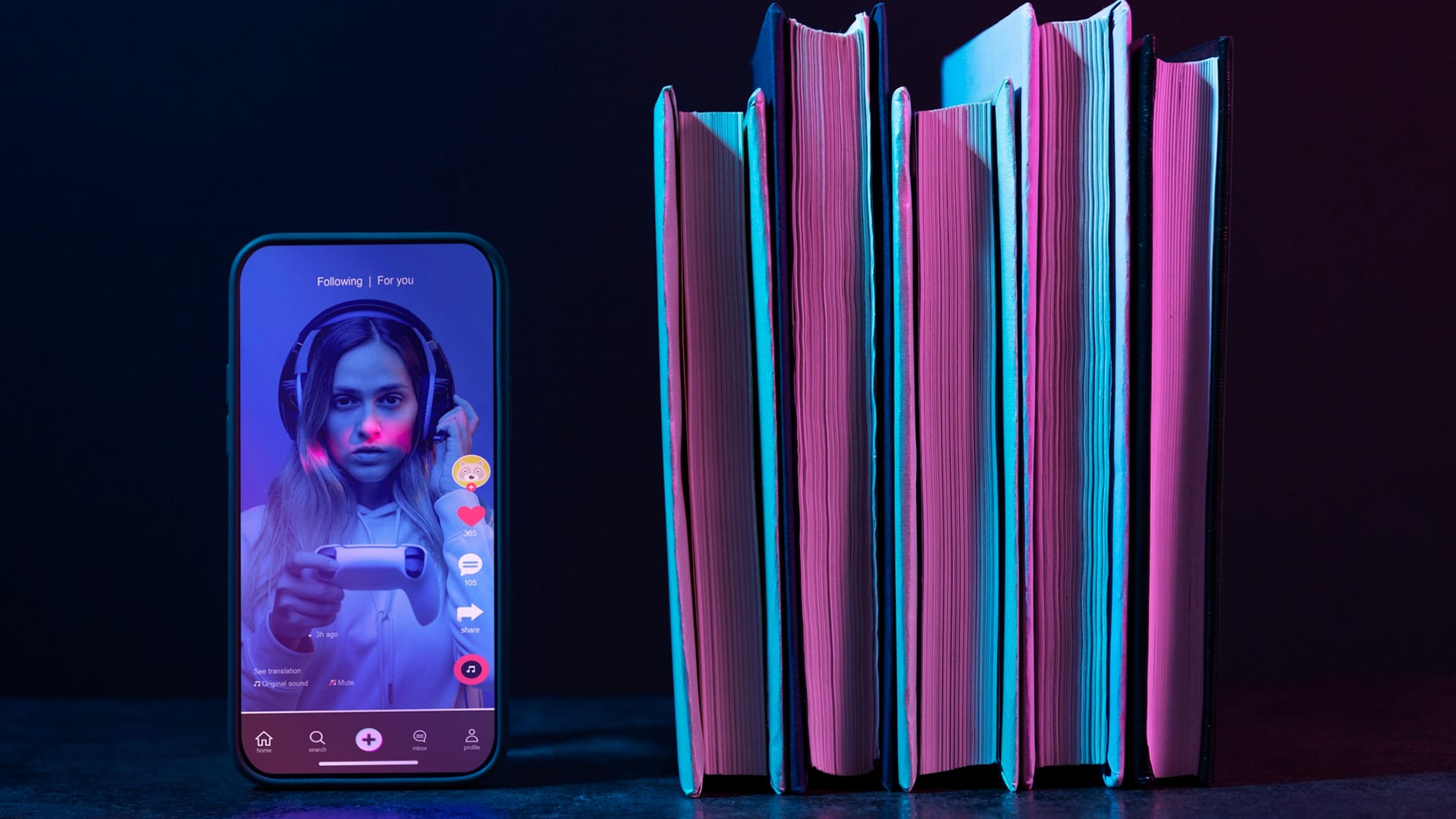
TikTok has become a big part of that discovery path. TikTok’s own newsroom said more than 50 million books recommended by the #BookTok community were sold across Europe in 2025, and that the platform is increasingly shaping how readers discover and buy books. TikTok also cited research showing that more than a third of 16 to 39-year-olds discover new books there.
That does not mean every author needs to dance on camera, copy trends blindly, or chase internet fame. It means authors need to understand one basic truth: readers trust energy, specificity, and social proof more than polished self-promotion.
One reason authors struggle on TikTok is that they treat it like a billboard. They make content that sounds like an ad, looks like an ad, and feels like a sales pitch from the first second. Readers scroll right past it.
TikTok’s own business guidance points in a different direction. The platform recommends TikTok-first creative, vertical 9:16 video, sound, clear text overlays, strong calls to action, visible safe-space placement, and a less polished, more creator-style aesthetic that fits naturally with user-generated content. It also recommends using people in the content rather than relying only on static design.
For authors, that is useful because it lowers the pressure. You do not need expensive production. You need content that feels readable, human, and easy to watch.
The strongest book videos usually do one of these things well:
A good TikTok video often makes the viewer feel the book before it explains the book. Instead of summarizing the plot, it hints at obsession, heartbreak, tension, comfort, revenge, longing, grief, or chaos. Readers on short-form platforms react to emotional texture faster than they react to careful explanation.
The mistake many authors make is trying to introduce the whole book in one clip. That usually flattens the content. A better approach is to pull one compelling angle at a time. One line. One trope. One emotional promise. One character problem. One “if you like this, you may like this book” framing.
TikTok is full of language patterns that feel personal rather than corporate. Authors who perform better usually stop writing captions and scripts like marketers and start writing like readers. Less “my new novel is available now.” More “this book is for people who love quiet breakdowns, bad decisions, and characters who should absolutely not text each other back.”
That tonal shift matters more than people think.
Virality is seductive because it sounds efficient. One big post, one huge burst of visibility, one breakthrough moment. But most authors are better served by a repeatable rhythm of discovery than by one lucky spike that disappears in three days.
A healthier way to think about TikTok is this:
one video introduces the mood
another highlights a line or concept
another uses social proof or a reader reaction
another shows the author’s process or personal reason for writing the book
another answers a question people keep asking
Over time, that stack of content gives the book more ways to be found.
This is where book marketing for authors becomes more practical. The goal is not to impress everyone. The goal is to make the right reader keep seeing your book from slightly different angles until interest starts to build.
Imagine a romance author with a new slow-burn novel.
If she treats TikTok like a standard ad channel, she may post one clean promotional video with the cover, release date, and a generic caption about her book being available now. It may look polished, but it gives the viewer very little emotional reason to care.
A stronger version of the same campaign might look different.
One video says, “for readers who love unresolved tension, emotionally unavailable men, and one terrible decision that ruins everything.”
Another highlights a short line from the book.
Another shows a comment from an early reader reacting to the emotional payoff.
Another compares the book’s mood to other stories readers already love.
None of those clips needs to explain the whole novel. Together, they build recognition, emotional context, and curiosity.
That is usually how momentum forms. Not from one perfect post, but from repeated, recognizable signals.
A lot of authors hear “influencer outreach” and immediately think of celebrity-sized accounts. That is usually the wrong place to start.
In books, fit matters more than raw audience size.
A mid-sized creator with a specific reading taste, a loyal audience, and clear trust inside a genre often matters more than a giant account that can mention your book once and move on. A romance creator who genuinely talks about longing, slow-burn chemistry, and emotionally messy relationships is more useful for the right romance title than a huge lifestyle creator with broad but shallow attention.
The same is true in nonfiction. A business author may do better with creators who speak to founders, freelancers, productivity-minded readers, or niche professionals than with generic motivational accounts.
TikTok has formalized creator collaboration further through TikTok One, which it describes as a platform where creators can find brand opportunities, partner with advertisers, and get paid for their creativity. TikTok also says its creator-marketing collaboration tools are designed for branded content projects, while other solutions support creator-led assets at scale.
That matters because it reflects a larger shift. Creator partnerships are no longer random side activity. They are a real part of how products, including books, earn discovery.
Good outreach is rarely long. It is clear, specific, and respectful.
It usually includes:
a short note showing you actually know the creator’s content
a simple reason your book may fit their audience
a no-pressure offer to send a copy or media kit
a clear explanation of what you are asking, if anything
room for the creator to respond in their own voice
Bad outreach sounds copied. Good outreach sounds chosen.
A creator can tell the difference almost immediately.
Many authors make outreach harder by sending only the title, a generic synopsis, and a buy link.
That is not enough.
A creator needs material. They need hooks, angles, excerpts, tropes, themes, talking points, emotional comparisons, visuals, or a reason the book is easy to discuss. If you want people to talk about the book, you need to package the conversation around it.
That may include:
a one-line hook
a few strong quote excerpts
clear genre or trope positioning
comp-title language used carefully
author background that adds context
launch date and format details
a simple visual kit with cover and mockups
This is one of the reasons so many outreach efforts go nowhere. The book may be decent, but the author has made it too hard for anyone else to present it well.
If you are serious about book marketing for authors and want the outreach side to convert into actual visibility, the creator should not have to do all the interpretive work for you.
A weak book can be overpromoted for a while. A weak package usually cannot.
That is why social visibility and book packaging should not be treated as separate worlds. A TikTok video may get the click, but the cover has to hold attention once the reader lands. The sample has to support the promise. The author presence has to feel credible. A rough or confusing package wastes the attention you worked to earn.
If the promotion side is starting to move but the conversion side still feels thin, that usually points back to the full reader-facing package: cover, description, sample pages, and author presence. Social visibility works much better when those pieces are already doing their job.
This is where a lot of authors get discouraged.
They post. They get comments. They maybe even get strong reach. But sales do not move the way they expected. That does not always mean TikTok failed. Often it means the bridge between attention and purchase is weak.
A few common breaks happen here:
The video makes the book sound emotionally sharp, funny, dark, romantic, or urgent. Then the cover feels vague or flat. Trust drops.
If people click your profile and cannot quickly find where to buy, where to learn more, or what the book is about, momentum dies.
Not all reach helps. If the hook is too broad or misleading, you may get views from people who were never likely to buy that type of book.
A weak description, poor sample, confusing subtitle, or unconvincing metadata can hurt sales even when the social content itself worked.
The easiest way to run dry on TikTok is to think every post must be brand new.
It does not.
Good book promotion often comes from repeating the same core value in different forms. One emotional angle can become five or six videos without feeling repetitive if the execution changes.
Try rotating between:
one-line emotional hooks
favorite lines or short excerpts
“if you like this, read this” comparisons
reactions to reader comments
behind-the-book moments
character or chapter insights
common questions about the story or topic
creator responses or duets when relevant
This gives the book multiple entry points without forcing the author to reinvent the campaign every week.
TikTok matters, but influencer outreach should not be limited to one platform. Bookstagram, YouTube reading channels, newsletters, podcasts, genre blogs, and niche creator communities can all play a role, especially when they reach the exact kind of reader your book needs.
The key is still the same: relevance first.
A smaller podcast where the host deeply understands your subject may move more books than a larger account that mentions you for thirty seconds and forgets you. A creator with steady audience trust often beats a creator with inflated vanity numbers.
This is where patience helps. Outreach is not always instant-return promotion. It is relationship-based visibility.
Authors do not need to become full-time influencers to sell more books, but they do need to understand how readers discover books now. TikTok rewards content that feels native, emotionally sharp, and easy to engage with. Influencer outreach works best when it is targeted, respectful, and built around real fit instead of blind volume. And neither one works as well as it should if the book package behind it is weak.
Book marketing for authors works best when it is treated as a connected system. Attention, trust, packaging, and conversion all have to support each other. When they do, TikTok and creator outreach stop feeling random and start becoming real sales channels.
Can authors use TikTok to market books outside the US?
Yes. TikTok book discovery is not limited to one country, and the platform’s own newsroom has pointed to major BookTok-driven sales activity across several European markets. For most authors, the better question is not whether TikTok works in their country, but whether their content is clear enough to attract the right readers there.
Should I contact local influencers or creators from other countries?
Start with audience fit, not geography alone. If your book is written in English and your likely readers are spread across multiple markets, creators from different countries may still be a strong match. Local outreach matters more when the book has regional themes, local press potential, or event-based selling opportunities.
Do I need paid promotions to make TikTok work for my book?
Not always. Many authors start with organic content and creator relationships before using paid promotion. Paid support can help later, but only after you know which hooks, angles, and videos are already getting real attention from the right audience.
How many followers should a creator have before I reach out?
There is no perfect number. A smaller creator with strong trust in your exact genre can be more valuable than a much larger account with weaker relevance. Look at tone, comments, consistency, and how their audience responds to book recommendations.
Can TikTok videos help nonfiction authors too?
Yes. Nonfiction authors can do well when they turn ideas into short, sharp takeaways rather than mini lectures. A practical insight, a surprising truth, a common mistake, or a strong one-line opinion can often work better than a broad explanation.
What should I prepare before starting influencer outreach for a book launch?
At minimum, have a clean cover image, a one-line hook, a short summary, a few talking points, buy or preorder details, and a clear sense of who the book is for. The easier you make the book to understand and present, the easier it becomes for creators to say yes.