If you are publishing a paperback or hardcover for normal retail distribution, the answer is usually yes. If you are publishing a Kindle ebook on KDP, an ISBN is optional. If you are only printing copies for yourself or selling directly without trying to place the book through stores, libraries, or wholesalers, you may not need one at all. ISBNs are 13-digit identifiers tied to a specific edition and publisher, and each format gets its own number.
A lot of authors ask do I need an ISBN for my book when they are really asking a harder question: am I setting this book up like a one-off upload, or am I building it like a real publishing asset?
That difference matters.
In 2025, U.S. book output topped 4.17 million titles, and self-published books made up the overwhelming majority of that volume. In a market that crowded, small setup decisions affect discoverability, retailer data, and how professionally the book moves through the supply chain.
You do not need to panic-buy numbers before you understand the job an ISBN actually does. You do need to know where the book will be sold, which formats you are releasing, and whether you want your own publishing imprint attached to the record.
Use this simple rule first.
Book setup | Do you need an ISBN? | Practical takeaway |
Kindle ebook on KDP | No, optional | Fine to publish without one if Amazon ebook publishing is your main route |
Paperback | Yes | Needs an ISBN on KDP unless it is a low-content exception |
Hardcover | Yes | Needs its own separate ISBN |
Paperback + hardcover | Yes, two | Each format needs a different ISBN |
Low-content book on KDP | Not always | KDP allows publishing without one, but feature trade-offs apply |
Copies only for yourself or direct hand-selling | Often no | If you are not placing the book with stores, libraries, or wholesalers, an ISBN may not be required |
That chart reflects current guidance from KDP and the U.S. ISBN agency. KDP says ebooks are optional for ISBNs, while paperback and hardcover formats require one, with low-content books treated differently. The ISBN agency also says an ISBN is not required if a publisher is only selling books on their own and is not trying to place them with stores, libraries, or wholesalers.
So if your real question is do I need an ISBN for my book, the answer depends less on the manuscript and more on the business path.
An ISBN is not a copyright. It is not a barcode. It is not proof that you own the text.
It is a unique 13-digit identifier used to distinguish one title or edition from another and to help booksellers, libraries, distributors, and databases identify the right product from the right publisher. Bowker, through isbn.org and MyIdentifiers, is the official U.S. ISBN agency, and it says ISBN data feeds Books in Print, which is used by major search engines, bookstores, and libraries.
That is why ISBN for self-publishing is not just a technical checkbox. It shapes how your book is labeled in the marketplace.
If you want the cleaner version, think of the ISBN as the supply-chain identity of a specific book format.
It does not.
Paperback and hardcover need different ISBNs. A new edition with significant changes needs its own ISBN too. KDP says the same ISBN cannot be reused across multiple formats or new editions with significant changes.
So if you release:
a paperback
a hardcover
a revised second edition
you are already looking at multiple ISBN decisions, not one.
They are not the same in practice.
KDP offers free ISBNs for paperback and hardcover books, and KDP says if you use its free ISBN, the imprint will appear as “Independently published.” If you buy your own ISBN, you can list your own publishing imprint, and KDP checks that imprint against the record held by the ISBN agency.
That is the real issue behind free ISBN vs own ISBN.
A free ISBN can be completely fine for authors who want the simplest route and do not care about imprint control. An owned ISBN makes more sense when you want your own publishing name tied to the book record, or when you are thinking beyond a single upload.
Bowker’s current U.S. pricing lists 1 ISBN at $125 and 10 ISBNs at $295. That price gap is why authors planning multiple formats or more than one title often regret buying one at a time.
If you are already thinking, “I may do paperback now and hardcover later,” buying one can become the expensive version of being cautious.
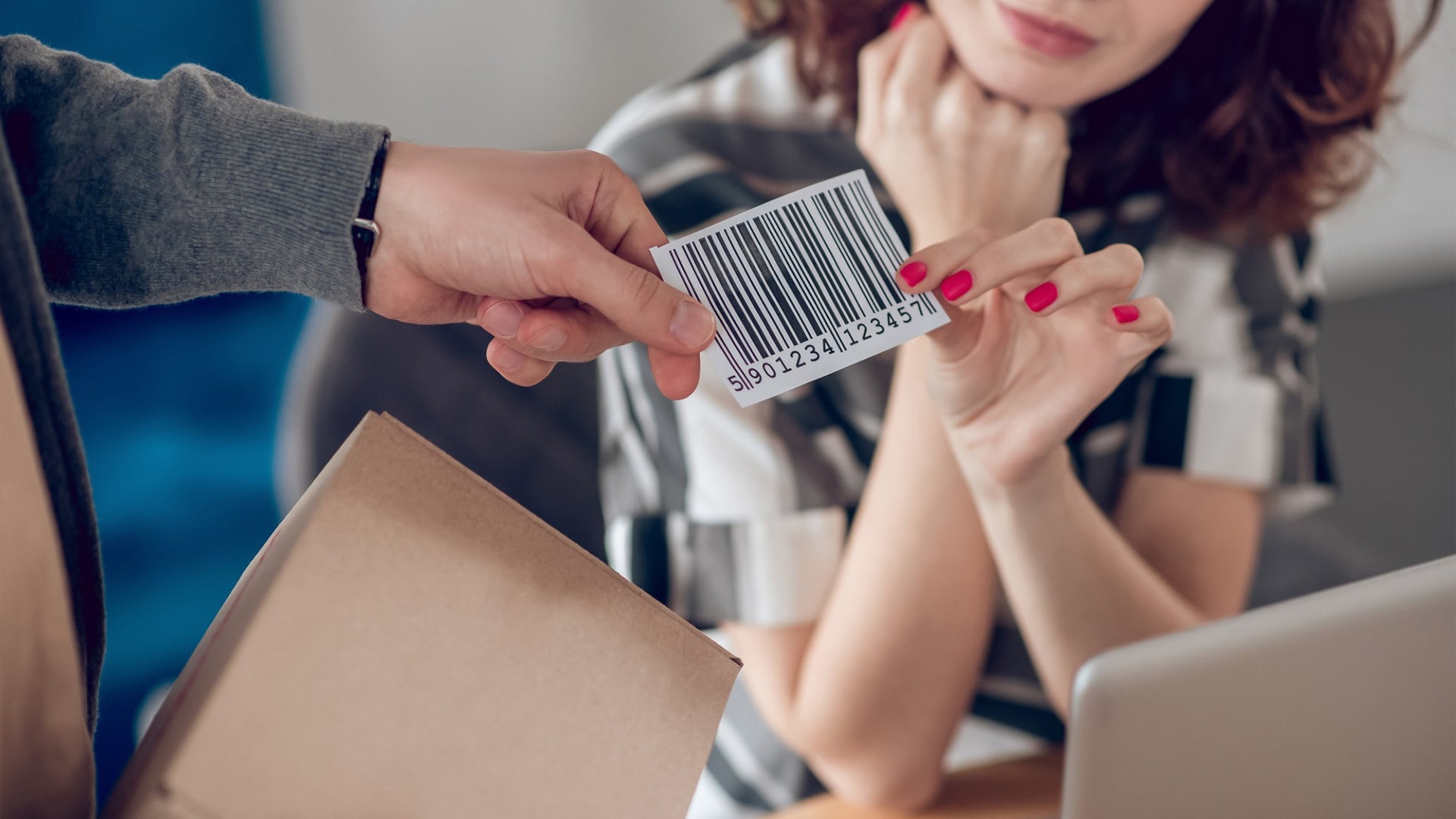
ISBNs and barcodes are different things.
Bowker says barcodes are required for selling print books through major retailers, and KDP has specific barcode requirements when you supply your own ISBN barcode on the cover.
For a first-time author, the practical point is simple: once print retail is in the picture, metadata and packaging details start working together.
A lot of authors reach this point and realize they do not need more conflicting forum advice. They need a clean publishing setup from the start. Virginia Book Publisher helps self-publishing authors sort through format decisions, ISBN choices, imprint setup, and the small production details that can become expensive once a book is already live.
Not every project needs one.
If you are uploading a Kindle ebook on KDP, Amazon says you do not need an ISBN. If you are producing a low-content book on KDP, an ISBN is also not always required, although KDP notes that some features differ when you publish without one. And if you are only selling the book yourself and not trying to place it through retailers, wholesalers, or libraries, the U.S. ISBN agency says an ISBN is not required.
That means the “no ISBN” path makes sense for:
a Kindle-only release on KDP
a private family memoir not meant for trade distribution
workshop copies sold directly by the author
certain low-content books on KDP
It makes less sense if you want the book treated like a standard trade product across print channels.
You should strongly consider it if any of these are true:
you want your own imprint name on the book record
you expect multiple formats
you want cleaner long-term catalog control
you are planning more than one book
you care about presenting yourself as the publisher, not simply the uploader
The ISBN agency is explicit on one important point here: if a self-publisher wants to be identified as the publisher, the self-publisher must get their own ISBN. ISBNs also cannot be transferred one by one from another publisher to you.
That is why buy ISBN for my book is not a vanity question. It is often a control question.
If you are not based in the United States or its territories, Bowker is not your agency.
The U.S. ISBN agency says it can only assign ISBNs to publishers located in the United States and its territories. Publishers in other countries need to get ISBNs from their own local agency. Bowker also notes that ISBNs are international, and a book assigned an ISBN in another country does not need a separate U.S. ISBN just to sell in the United States.
That matters for global self-publishing authors because the right source depends on publisher location, not where the printer is located. The ISBN agency also says books can be printed anywhere; assignment is based on the geographic location of the publisher, not the printing company.
Before you spend money, run through these five questions:
KDP says paperback and hardcover need ISBNs, while Kindle ebooks do not require one on KDP.
If yes, your own ISBN usually makes more sense. KDP’s free ISBN shows “Independently published” as the imprint.
Each format needs a different ISBN.
Bowker’s pricing makes single-number buying expensive if you keep publishing.
If you are not trying to place the book in stores, libraries, or wholesalers, an ISBN may not be necessary.
If the book is a Kindle ebook on KDP and you want the simplest route, you can publish without an ISBN.
If the book is a paperback or hardcover meant for normal retail channels, you almost certainly need one.
If you care about imprint control, catalog control, or building a real publishing identity, owning your ISBNs is often the cleaner move.
If you are only printing copies for yourself or selling hand-to-hand, you may not need one at all.
That is the real answer behind do I need an ISBN for my book. Not every author does. The authors who do are usually the ones treating the book like a standard product in the market rather than a private file with a cover.
A lot of publishing mistakes happen because authors try to decide too late.
They finish the manuscript, upload the files, and only then start asking whether they should have used their own imprint, bought a block of ISBNs, or set up the print edition differently.
Handle the ISBN question earlier.
It is one of those small publishing decisions that reveals how you plan to treat the book: as a quick release, or as a real title with a long shelf life.
Do I need an ISBN for my book on Amazon?
For a Kindle ebook on KDP, no. For a paperback or hardcover on KDP, yes, unless the project falls into a low-content exception. KDP also lets print authors use either a free KDP ISBN or their own.
Do I need a different ISBN for paperback and hardcover?
Yes. Each format needs its own ISBN, and a significantly revised new edition also needs its own number.
Is a free KDP ISBN good enough?
It can be, especially for authors who want the fastest path to print on Amazon. The tradeoff is imprint control. KDP says a free ISBN displays the imprint as “Independently published,” while your own ISBN allows your own imprint to be listed if it matches the agency record.
Do I need an ISBN if I only sell my book on my own website or at events?
Not necessarily. The U.S. ISBN agency says an ISBN is not required if you are selling on your own and are not trying to place the book with stores, libraries, universities, wholesalers, or distributors.
Do I need a U.S. ISBN if I live outside the United States?
No. You should get your ISBN from your country’s designated agency. Bowker says U.S. ISBNs are for publishers located in the United States and its territories, and ISBNs assigned in other countries are still valid for selling in the U.S.
Is an LCCN the same as an ISBN?
No. A Library of Congress Control Number is a separate cataloging identifier. The Library of Congress says eligible U.S. publishers can apply for a preassigned control number before publication, but it is not the same thing as an ISBN.